
Did you know?
One checked fact about one game, in every weekly issue
9 facts so far
-
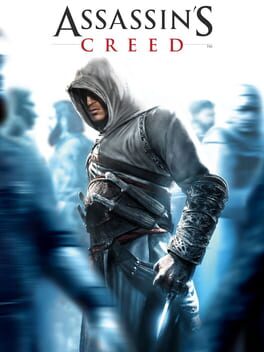
Patrice Désilets, fresh from The Sands of Time, made the next Prince of Persia a game where you guard the Prince. Ubisoft did not want one whose hero was not the Prince, so it became Assassin's Creed.
-
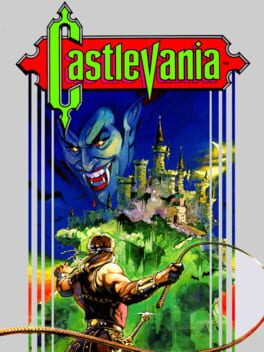
The ending credits are laid out like a film's, cast list included, and the names pun on real ones from horror. Dracula is played by Christopher Bee, Death by Belo Lugosi.
-
A whole second set of dungeons shipped on the cartridge, harder and laid out differently, and you did not have to finish the game to see it. Naming your save file ZELDA opened it straight away.
-
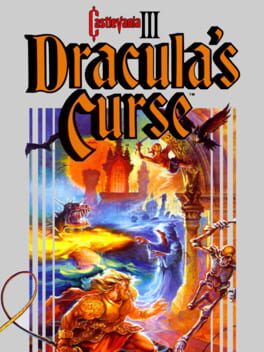
The Japanese cartridge carries a VRC6 chip that adds three sound channels to the Famicom's five. The NES had no way to use them, so the Western release had its music rewritten for fewer voices.
-
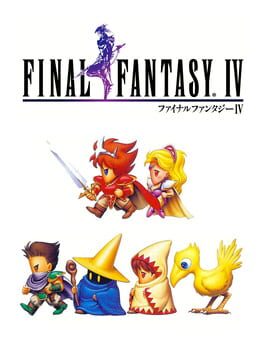
North America got it as Final Fantasy II, because the real II and III had stayed in Japan. Final Fantasy VI then arrived as Final Fantasy III, and the numbering only lined up again with VII.
-

The Western release cut a group of enemies and one of the dogs, though the uncensored version still shipped in countries like Argentina and Brazil. In Japan it was called Crime Fighters 2.
-
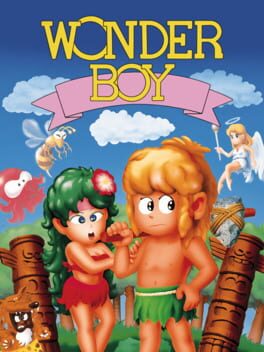
Sega owned the Wonder Boy name, but Escape, the studio behind it, kept the game and licensed it to Hudson Soft, which swapped in a hero of its own and sold it on the NES as Adventure Island. One game, two series.
-
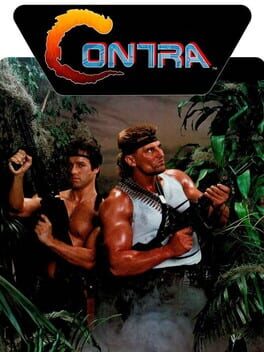
In Europe the arcade game was Gryzor, human commandos and all. The robots RD008 and RC011 replaced them on the European NES release, retitled Probotector, and Konami kept them through to Hard Corps on Mega Drive.
-
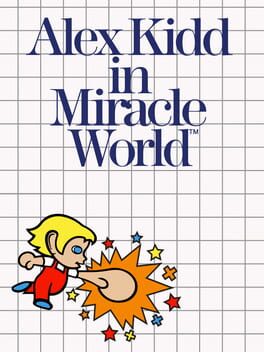
It began in 1984 as a Dragon Ball game, and when the licence fell through the team was told to start over with ideas of its own. Kotaro Hayashida, who designed it, says Goku's power pole became Alex Kidd's punch.