
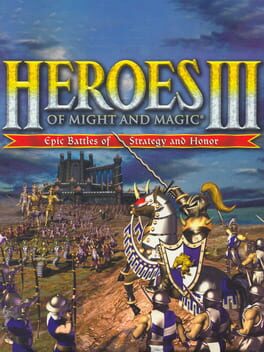
 Heroes of Might and Magic III: The Restoration of Erathia 1999
Why it still holds upYou still manage armies, towns and mines on the map and then fight on the hex grid, and those two layers make it worth playing today.
1990s strategy games that still hold up
Thinking two turns ahead, whether or not there is a clock
Games
Heroes of Might and Magic III: The Restoration of Erathia 1999
Why it still holds upYou still manage armies, towns and mines on the map and then fight on the hex grid, and those two layers make it worth playing today.
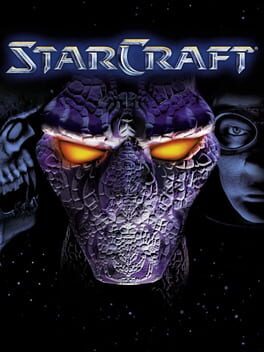 StarCraft 1998
Why it still holds upEach race plays differently and none has an innate advantage, which is why it still plays well today.
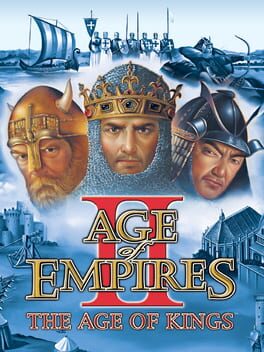 Age of Empires II: The Age of Kings 1999
Why it still holds upIts deliberate pace is why it still plays well: it scales so that players of any skill can choose the speed they are comfortable with.
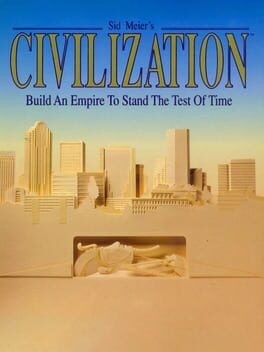 Sid Meier's Civilization 1991
Why it still holds upEvery turn is still a small decision about research, building or war today, and the order you choose shapes the whole run.
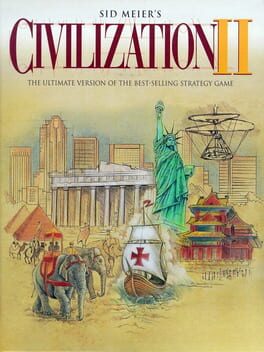 Sid Meier's Civilization II 1996
Why it still holds upA full sweep of history, where every city and every advance is your choice, still makes it worth playing today.
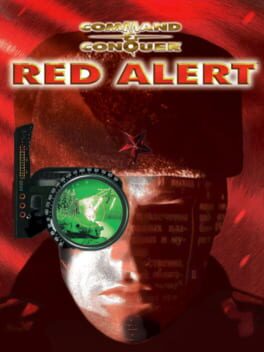 Command & Conquer: Red Alert 1996
Why it still holds upTwo sides built differently, and a power grid that doubles as a target, keep it distinct from other strategy games today.
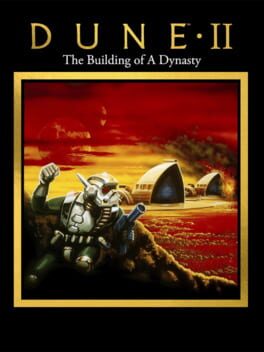 Dune II: The Building of a Dynasty 1992
Why it still holds upIt was not the first real time strategy game but the archetypal one, which established the format, and the harvest, build and attack loop it set out is still the template later games followed.
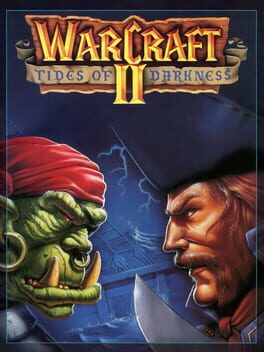 Warcraft II: Tides of Darkness 1995
Why it still holds upTwo sides built differently and a war fought on land, at sea and in the air still give each match its own plan today.
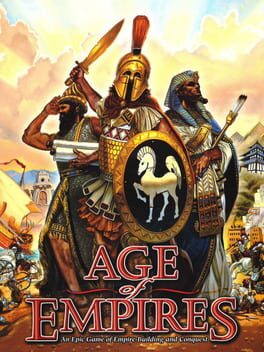 Age of Empires 1997
Why it still holds upFinite trees, four resources and buildings to place still turn each match into a city planning problem today.
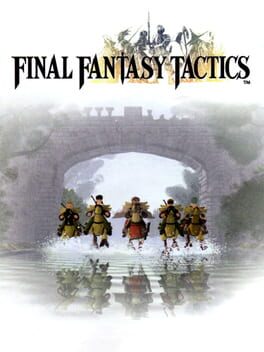 Final Fantasy Tactics 1997
Why it still holds upJobs that unlock abilities and a Charge Time that decides who acts still make every battle a puzzle of order and class today.
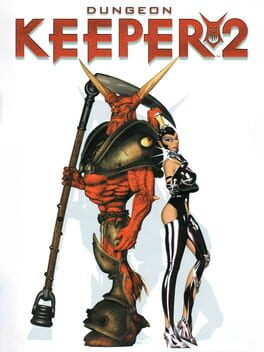 Dungeon Keeper 2 1999
Why it still holds upRunning a dungeon as its villain, down to the wages and food of your creatures, still gives it a character of its own today.
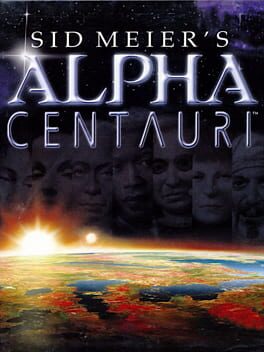 Sid Meier's Alpha Centauri 1999
Why it still holds upCustom unit design and several victory paths still give it room to try different strategies today.
 Command & Conquer 1995
Why it still holds upTwo asymmetric campaigns with varied objectives such as sabotage, rescue and time limits still give it variety today.
 Commandos: Behind Enemy Lines 1998
Why it still holds upCommandos die easily when shot, so visible vision cones and a small squad of specialists still make each mission a planning puzzle today.
 Master of Orion II: Battle at Antares 1996
Why it still holds upCustom race design, several routes to victory and ship by ship tactical combat still make each game start differently today.
 Dungeon Keeper 1997
Why it still holds upIndirect control of creatures that have to be paid, trained and kept content means the dungeon is still run rather than commanded today.
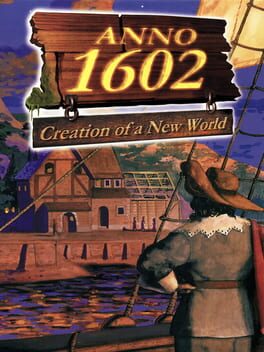 Anno 1602: Creation of a New World 1998
Why it still holds upDemands that keep rising, with trade between islands holding it together, still drive the economy today.
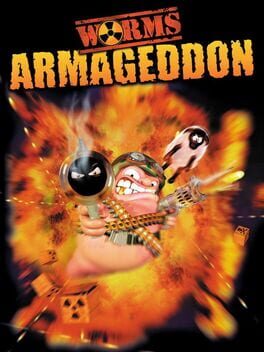 Worms Armageddon 1999
Why it still holds upA large arsenal in which each weapon behaves differently still makes every match different today.
 X-COM: UFO Defense 1994
Also known as UFO: Enemy Unknown
Why it still holds upTwo linked layers, where what you research and capture changes your options in battle, and no one strategy that always wins, still invite experimenting today.
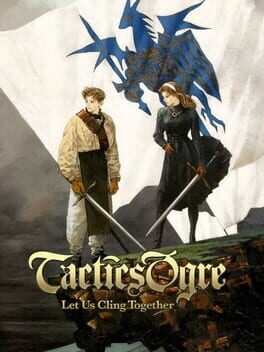 Tactics Ogre: Let Us Cling Together 1995
Why it still holds upA story that branches, fought with an army where every unit's weight counts, still makes a campaign worth playing again today.
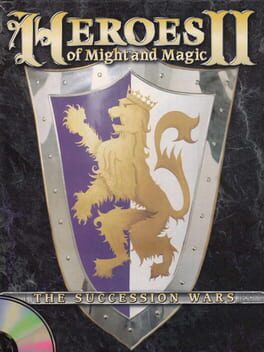 Heroes of Might and Magic II: The Succession Wars 1996
Why it still holds upBuilding one thing at a time, while heroes grow across a campaign, still makes every turn a choice of what comes first today.
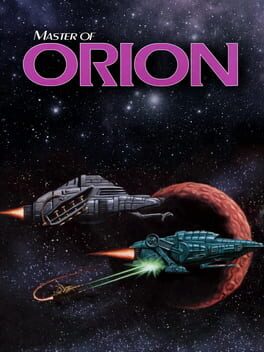 Master of Orion 1993
Why it still holds upA game of conquest is still a puzzle of priorities: every colony is a choice between growth, defense and research on a slider.
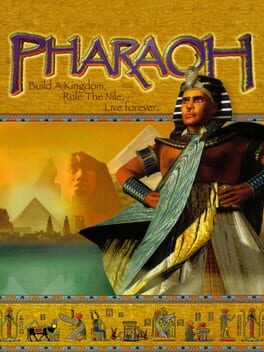 Pharaoh 1999
Why it still holds upA city whose every need leads to another still keeps it worth tending today.
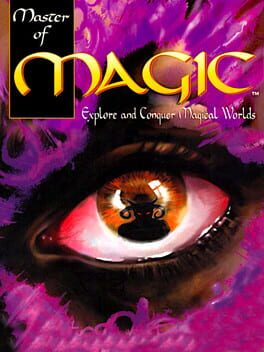 Master of Magic 1994
Why it still holds upA choice of magic made at the start, on a world drawn fresh each time, still shapes every campaign today.
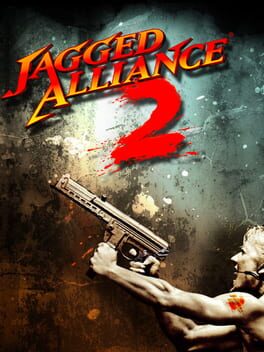 Jagged Alliance 2 1999
Why it still holds upSquads built around who gets along with whom, and towns you can attack from any side, still make each choice of mercenary a commitment today.
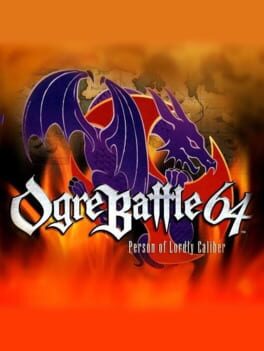 Ogre Battle 64: Person of Lordly Caliber 1999
Why it still holds upLeading an army where how you win is counted as well as whether you win still makes each march a decision today.
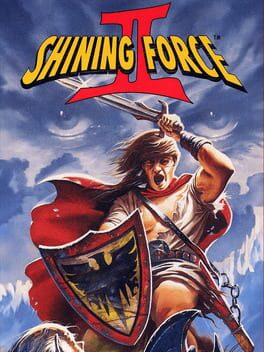 Shining Force II 1993
Why it still holds upA lost battle only sends you back to town and one hidden item changes some promotions, so it stays forgiving and worth exploring today.
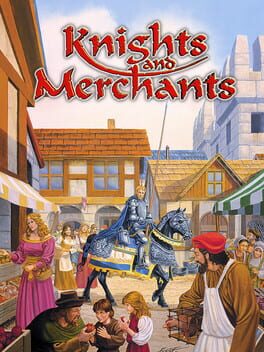 Knights and Merchants: The Shattered Kingdom 1998
Why it still holds upA medieval economy of roads and carried goods still gives anyone who likes managing details plenty to manage today.
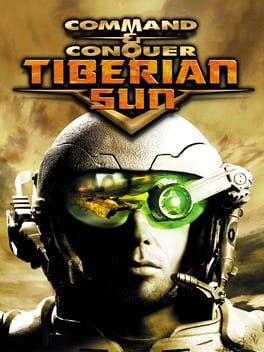 Command & Conquer: Tiberian Sun 1999
Why it still holds upTiberium gives the struggle a single focus, which keeps the tension high for anyone who plays today.
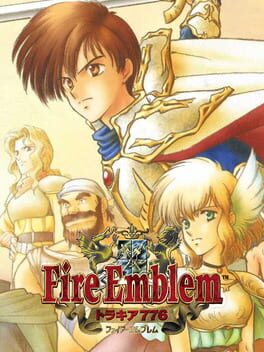 Fire Emblem: Thracia 776 1999
Why it still holds upScouting is still part of the tactics, with fog that hides the map until a unit advances.
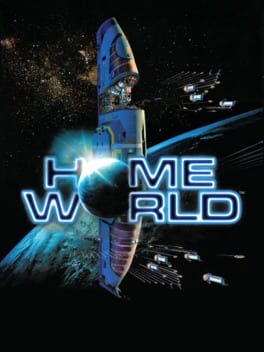 Homeworld 1999
Why it still holds upA fleet that has to last the whole campaign, moving in three dimensions, still makes every battle in space worth planning today.
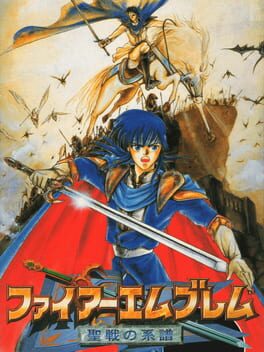 Fire Emblem: Genealogy of the Holy War 1996
Why it still holds upThe campaign still has a long arc, with a story told across two generations.
 Panzer General 1994
Why it still holds upA whole war of combined arms, with an army that carries over from battle to battle, still gives plenty to plan today.
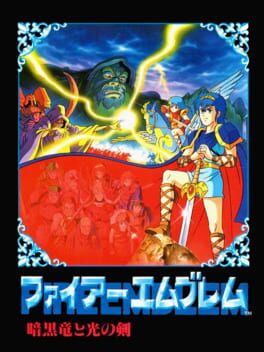 Fire Emblem: Ankoku Ryuu to Hikari no Tsurugi 1990
Also known as Fire Emblem: Shadow Dragon and the Blade of Light
Why it still holds upEven now, a cast of 52 units with fixed classes gives each choice of who to send a clear logic.
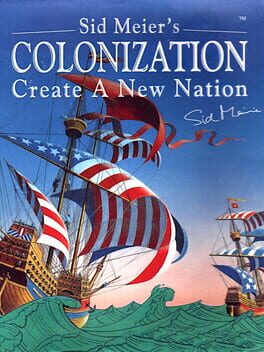 Sid Meier's Colonization 1994
Why it still holds upColonists you can train into specialists, and prices in Europe that keep moving, still turn every colony into a small economy to tune on the road to independence.
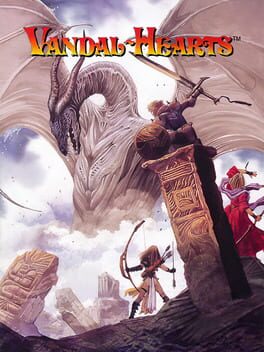 Vandal Hearts 1996
Why it still holds upLosing your leader means a defeat, so protecting him is still part of every plan.
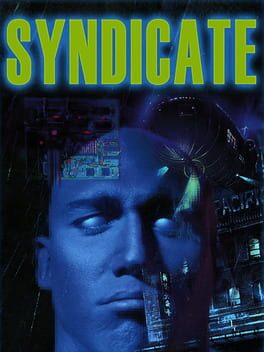 Syndicate 1993
Why it still holds upEach mission is still a plan, with taxes, research and a small squad of agents to manage.
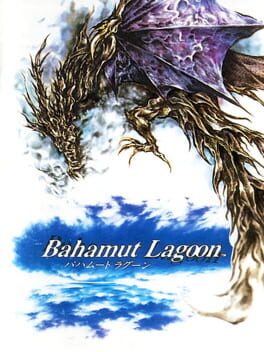 Bahamut Lagoon 1996
Why it still holds upA dragon raised by what you choose to feed it still makes each squadron your own today.
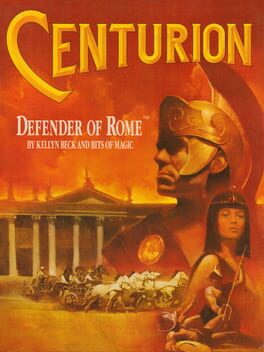 Centurion: Defender of Rome 1990
Why it still holds upBuilding up an empire with these side shows remains a reason to give it a go now.
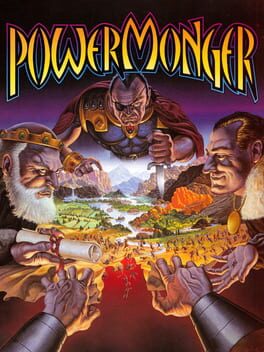 PowerMonger 1990
Why it still holds upToday a player can still be drawn in by a living map that responds to their choices.
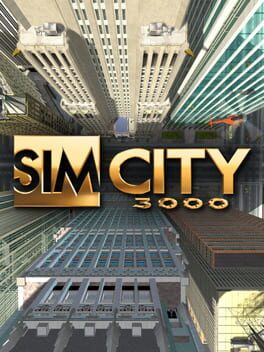 SimCity 3000 1999
Why it still holds upA budget that every choice draws on still keeps a city under pressure today.
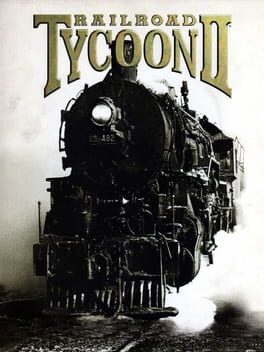 Railroad Tycoon II 1998
Why it still holds upA railroad that pays only as well as you plan it still makes every route a decision today.
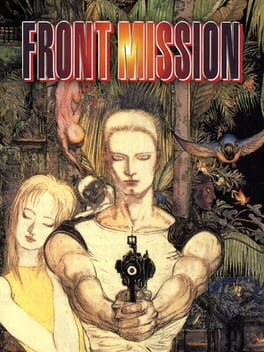 Front Mission 1995
Why it still holds upEvery battle is still a tactical question, with a mecha you assemble part by part and lose part by part.
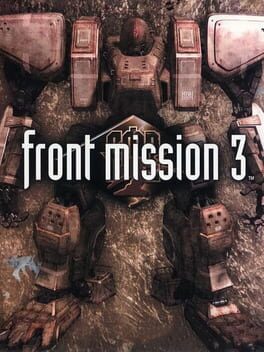 Front Mission 3 1999
Why it still holds upEvery attack still has a second target, since a mecha's pilot can be hit as well.
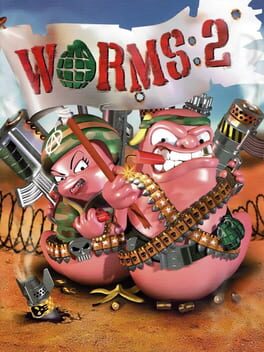 Worms 2 1997
Why it still holds upA match among friends is the kind of game that works as well now as before.
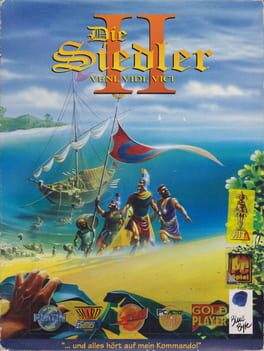 The Settlers II: Veni, Vidi, Vici 1996
Why it still holds upEven now, tending a growing settlement is a patient pleasure that holds up.
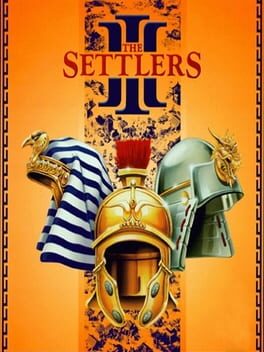 The Settlers III 1998
Why it still holds upRunning a settlement while an army grows beside it is a balance that still draws players in.
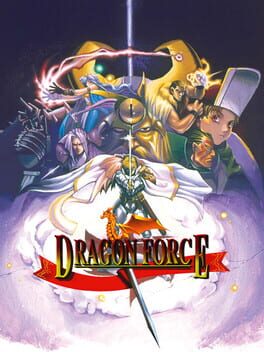 Dragon Force 1996
Why it still holds upFighting by formation and not by tile makes each battle feel like a large army clash.
Bases built in real time, empires grown turn by turn and squads moved square by square all share this page. Many are still easy to lose an evening to, because one more turn or one more wave is hard to refuse.