
 Disciples: Sacred Lands 1999
Why it still holds upUnits that gain experience give a strategy game the pull of a role playing one.
1990s strategy games that still hold up
Thinking two turns ahead, whether or not there is a clock
Games
Disciples: Sacred Lands 1999
Why it still holds upUnits that gain experience give a strategy game the pull of a role playing one.
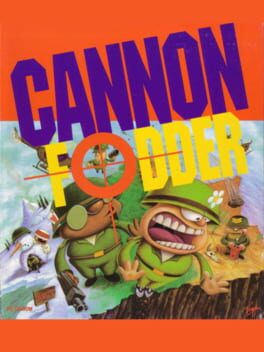 Cannon Fodder 1993
Why it still holds upA squad where every soldier is one round from death still makes each decision tense today.
 Warlords III: Reign of Heroes 1997
Why it still holds upThe carried heroes still make a campaign whose generals remember the last war.
 Imperium Galactica 1997
Why it still holds upRanks that unlock new functions one by one still introduce a strategy game with a large set of units gently.
 Panzer General 2 1997
Why it still holds upThe prestige still means the army you bring to the next battle is the one you earned in the last.
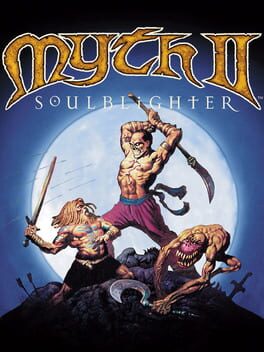 Myth II: Soulblighter 1998
Why it still holds upA battle where every unit counts gives each level the feel of a puzzle.
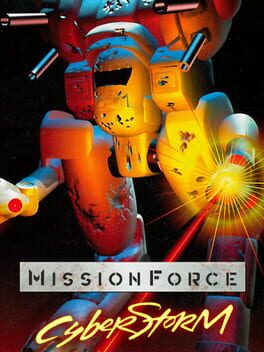 MissionForce: CyberStorm 1996
Why it still holds upThe BioDerms are still as much equipment as the machines they pilot, built and spent in the same way.
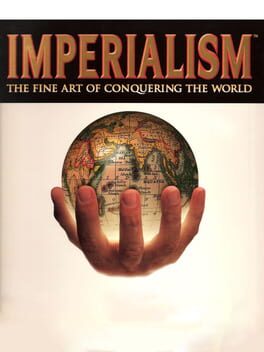 Imperialism 1997
Why it still holds upThe transport screen still sets an empire's limit at how much it can carry.
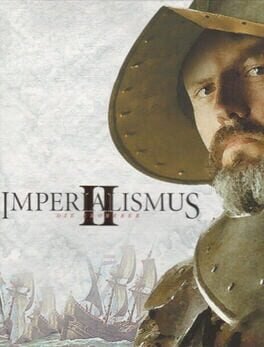 Imperialism II: Age of Exploration 1999
Why it still holds upThe New World is still a blank continent at the edge of the economy, and a race to be the one who fills it in.
 Faselei! 1999
Why it still holds upProgramming a few moves ahead still makes each turn a small puzzle.
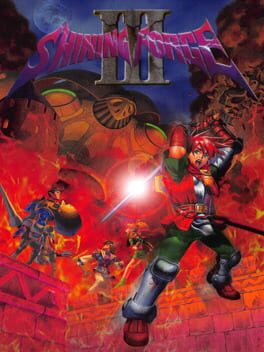 Shining Force III 1997
Why it still holds upEach scenario is a new view of the same war, which gives the three parts a reason to be played in turn.
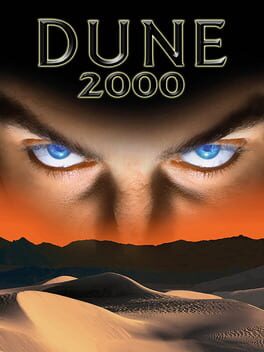 Dune 2000 1998
Why it still holds upA struggle over a desert planet's spice is an enduring setting for a strategy game, and it still makes a good starting point.
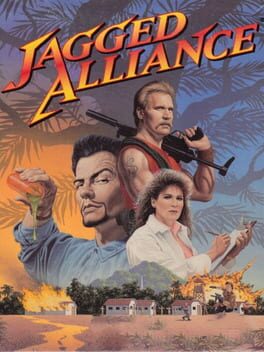 Jagged Alliance 1995
Why it still holds upThe hiring still means a war fought with the people you chose to pay, eight at a time.
 Seven Kingdoms: Ancient Adversaries 1998
Why it still holds upThe spies still fight part of the war, by people pretending to be on the other side.
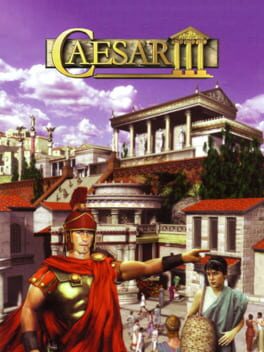 Caesar III 1998
Why it still holds upA governor's job of keeping a city thriving is still on offer today.
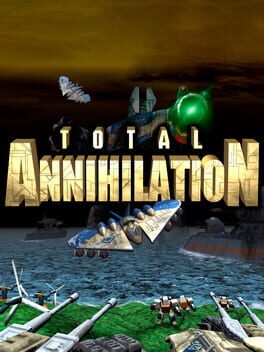 Total Annihilation 1997
Why it still holds upA galactic war fought across planets and moons has a scale that is still worth a try.
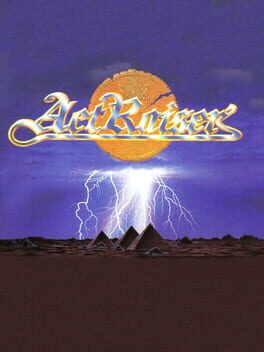 ActRaiser 1990
Why it still holds upPopulation growth in the building stages makes the Master stronger for the fighting, a link between the two halves that is still there today.
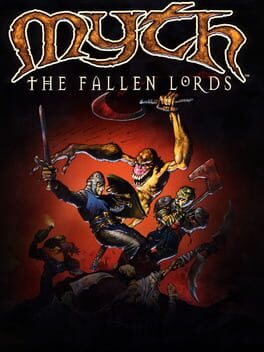 Myth: The Fallen Lords 1997
Why it still holds upThe army you start with is still the army you have, so each battle comes down to keeping it alive.
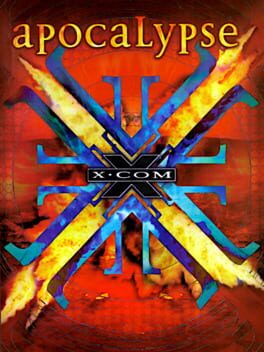 X-COM: Apocalypse 1997
Why it still holds upA city with landlords and opinions of its own, defended against aliens, still makes every mission political today.
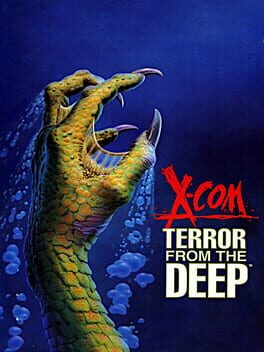 X-COM: Terror From the Deep 1995
Why it still holds upThe depth is still the first game's two layers, with a sea between the ship you lost and the squad you send after it.
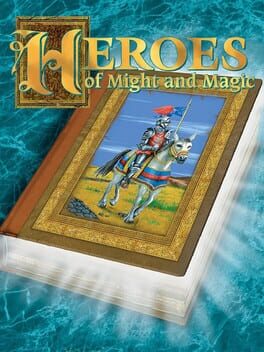 Heroes of Might and Magic: A Strategic Quest 1995
Why it still holds upThe four kinds still decide the army by the hero you chose, one more turn at a time.
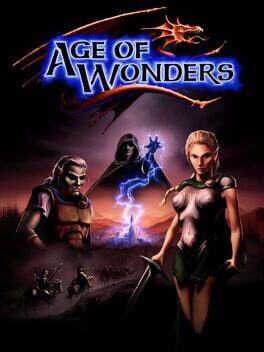 Age of Wonders 1999
Why it still holds upThe choice in every battle, to place the units yourself or let the game decide, is still its draw today.
 Fantasy General 1996
Why it still holds upThe grades still mean the squads are researched as well as recruited, one continent at a time.
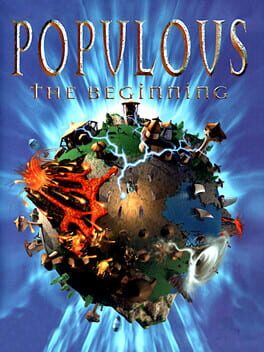 Populous: The Beginning 1998
Why it still holds upThe sphere is still a planet you can walk round, and tear up by hand.
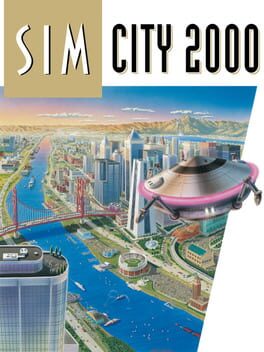 SimCity 2000 1993
Why it still holds upA city that grows both up and down through layers still has plenty to build today.
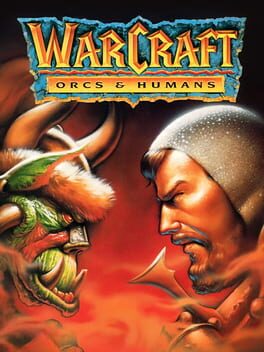 Warcraft: Orcs & Humans 1994
Why it still holds upA small force to manage and a clear aim still keep each mission easy to read.