
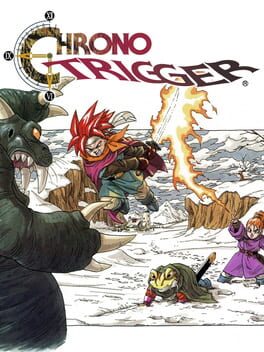
 Chrono Trigger 1995
Why it still holds upAreas hardly overstay their welcome and the puzzles are challenging without being frustrating, which is why the pacing holds up today.
1990s RPGs that still hold up
Somebody to become, and a long while to become them
Games
Chrono Trigger 1995
Why it still holds upAreas hardly overstay their welcome and the puzzles are challenging without being frustrating, which is why the pacing holds up today.
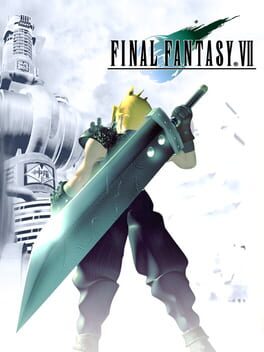 Final Fantasy VII 1997
Why it still holds upThe Materia and the size of the world still give you plenty to get into.
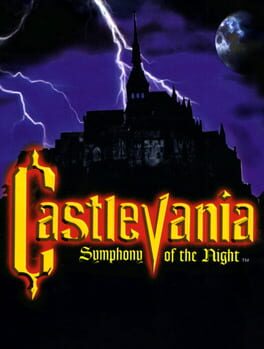 Castlevania: Symphony of the Night 1997
Why it still holds upExploring the castle is still the draw: it is full of hidden rooms and secrets, and each new ability opens somewhere that was closed.
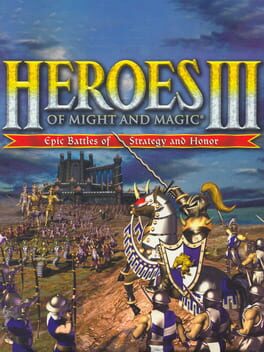 Heroes of Might and Magic III: The Restoration of Erathia 1999
Why it still holds upYou still manage armies, towns and mines on the map and then fight on the hex grid, and those two layers make it worth playing today.
 Fallout 2 1998
Why it still holds upThere are so many branching paths that it takes a long time to see everything, which is the reason to play it now.
 Final Fantasy III 1994
Also known as Final Fantasy VI
Why it still holds upPlaying it now means choosing your party: with fourteen characters, each with abilities of their own, who you bring is up to you.
 EarthBound 1994
Also known as Mother 2
Why it still holds upIt still respects your time, with visible enemies and that slow HP drain, and its humour gets wackier as you go.
 System Shock 2 1999
Why it still holds upThe skill system and the atmosphere keep it worth playing now, since you build your character through choices aboard a ship that feels lived in.
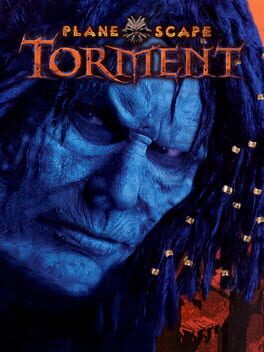 Planescape: Torment 1999
Why it still holds upThe writing and the companions are still the reason to play it today, since your stats and what you say keep opening options in conversation.
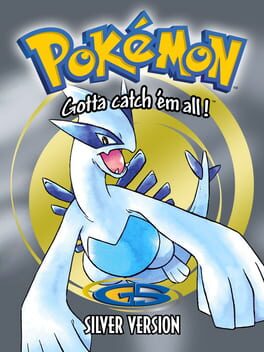 Pokémon Silver Version 1999
Why it still holds upA world that runs on its own clock, with a second full region after the first, is the reason to go back to it now.
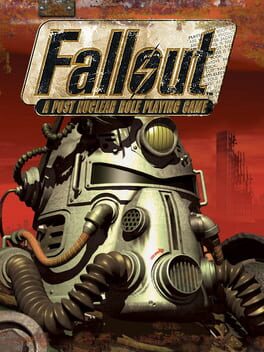 Fallout: A Post Nuclear Role Playing Game 1997
Why it still holds upA build that counts in every conversation and every fight is still the reason to play it today.
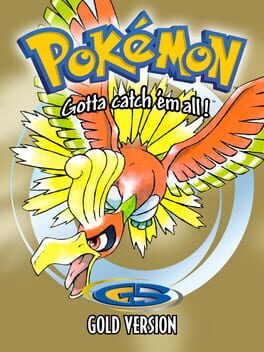 Pokémon Gold Version 1999
Why it still holds upTwo regions on one cartridge keep the adventure going past the first Elite Four, and that is the reason to play it today.
 Pokémon Blue Version 1996
Why it still holds upThe loop of catching, training and battling is simple enough to pick up now, and the version differences make trading with friends part of the design.
 Suikoden II 1998
Why it still holds upA huge recruitable cast, each with a place in battles or the castle, ties war strategy, party combat and base building into one loop, and that is the reason to play it now.
 Pokémon Red Version 1996
Why it still holds upA journey past eight gyms with a collection to complete along the way is still the reason to play it today.
 Super Mario RPG: Legend of the Seven Stars 1996
Why it still holds upVisible enemies and timed button presses keep you acting in every turn, which is the reason to play it now.
 Baldur's Gate 1998
Why it still holds upDeep tabletop rules that run themselves let you make tactical decisions rather than handle the math, and that is why it is still worth playing.
 Diablo 1996
Why it still holds upClick to act real time combat over randomly generated dungeons, built around finding better items, still endures.
 Final Fantasy Tactics 1997
Why it still holds upJobs that unlock abilities and a Charge Time that decides who acts still make every battle a puzzle of order and class today.
 Xenogears 1998
Why it still holds upDeathblow combos built by saving Action Points, and mech battles that run on fuel, still give its combat two different rhythms today.
 Ultima Online 1997
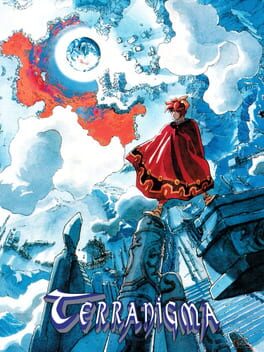 Terranigma 1995
Why it still holds upBecause the world is rebuilt as you progress, its towns and dungeons change with Ark's actions, and quick controls keep it easy to pick up today.
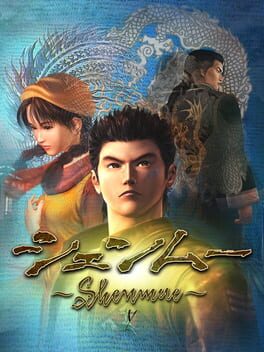 Shenmue 1999
Why it still holds upA Yokosuka where characters have their own models, voices and routines, and shops and buses keep schedules, still invites exploring today.
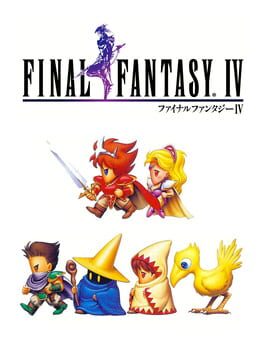 Final Fantasy IV 1991
Why it still holds upCharacters with fixed roles who join and leave the party make the story and the combat change together, and that still shapes every battle today.
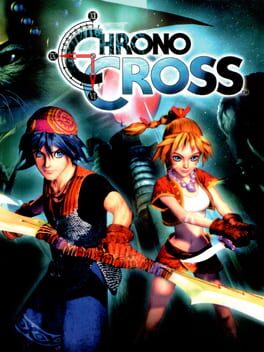 Chrono Cross 1999
Why it still holds upGrowth that comes from bosses instead of grinding, and a stamina bar for each action, still keep every battle worth thinking about today.
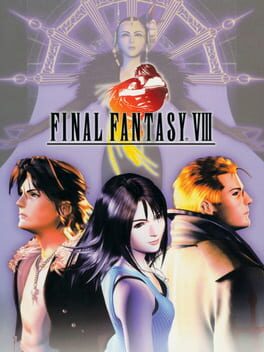 Final Fantasy VIII 1999
Why it still holds upJunction and Draw give deep, customizable character building, and Triple Triad ties into progression, which still makes each build your own today.
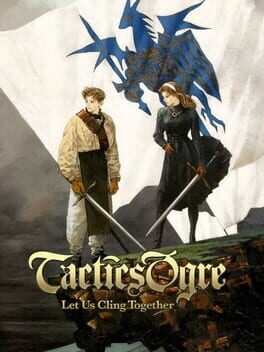 Tactics Ogre: Let Us Cling Together 1995
Why it still holds upA story that branches, fought with an army where every unit's weight counts, still makes a campaign worth playing again today.
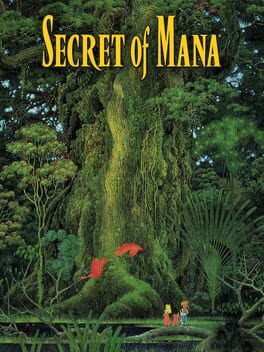 Secret of Mana 1993
Why it still holds upA party that fights beside you, alone or with friends, and a menu that pauses the action still keep fights simple to manage today.
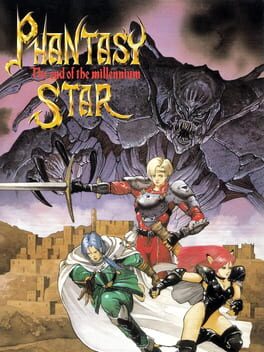 Phantasy Star IV: The End of the Millennium 1993
Why it still holds upFights that reward combining a party, and a story told clearly in comic panels, still make it easy to follow today.
 Heroes of Might and Magic II: The Succession Wars 1996
Why it still holds upBuilding one thing at a time, while heroes grow across a campaign, still makes every turn a choice of what comes first today.
 Wizardry: Bane of the Cosmic Forge 1990
Why it still holds upEleven races and fourteen professions still let a party be built in many ways today, which gives a long dungeon crawl its replay.
 Ultima VII: The Black Gate 1992
Why it still holds upA world made of objects to move, stack and use still gives it something to poke at today.
 Trials of Mana 1995
Why it still holds upThere is still more than one way to play through it, with six characters and class changes that split into light or dark paths.
 Jagged Alliance 2 1999
Why it still holds upSquads built around who gets along with whom, and towns you can attack from any side, still make each choice of mercenary a commitment today.
 Ogre Battle 64: Person of Lordly Caliber 1999
Why it still holds upLeading an army where how you win is counted as well as whether you win still makes each march a decision today.
 Shining Force II 1993
Why it still holds upA lost battle only sends you back to town and one hidden item changes some promotions, so it stays forgiving and worth exploring today.
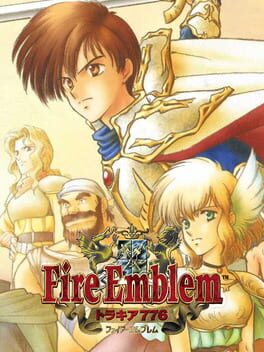 Fire Emblem: Thracia 776 1999
Why it still holds upScouting is still part of the tactics, with fog that hides the map until a unit advances.
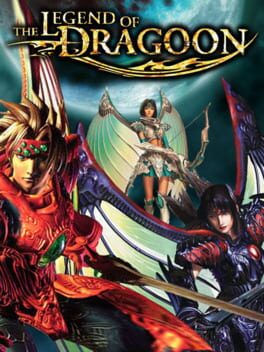 The Legend of Dragoon 1999
Why it still holds upEach attack is still an act of timing, in a battle that asks for a command at the right moment.
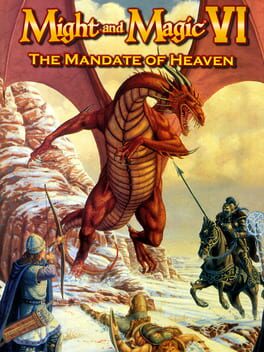 Might and Magic VI: The Mandate of Heaven 1998
Why it still holds upOpen maps and fights that can be paused still make exploring and fighting two ways of playing today.
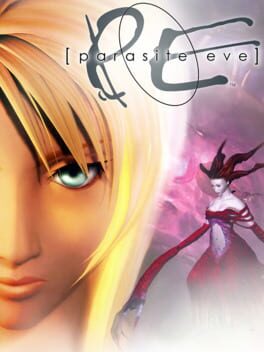 Parasite Eve 1998
Why it still holds upExploration and fighting still feel joined, because combat continues on the screen where you walk.
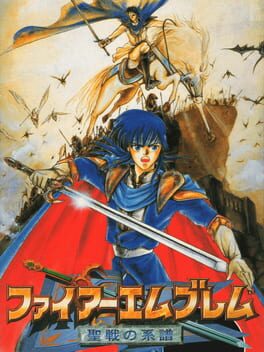 Fire Emblem: Genealogy of the Holy War 1996
Why it still holds upThe campaign still has a long arc, with a story told across two generations.
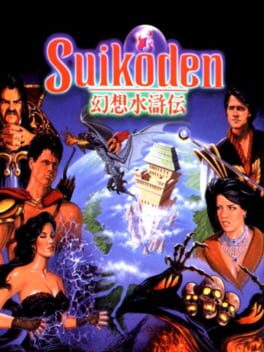 Suikoden 1995
Why it still holds upToday, a cast you can gather one warrior at a time gives the journey a goal beyond the main story.
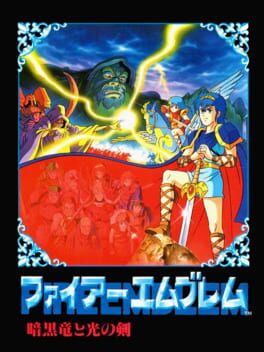 Fire Emblem: Ankoku Ryuu to Hikari no Tsurugi 1990
Also known as Fire Emblem: Shadow Dragon and the Blade of Light
Why it still holds upEven now, a cast of 52 units with fixed classes gives each choice of who to send a clear logic.
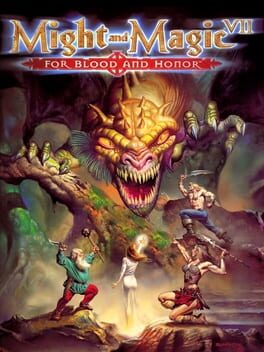 Might and Magic VII: For Blood and Honor 1999
Why it still holds upToday, classes that cap each skill make the party you choose shape what it can become.
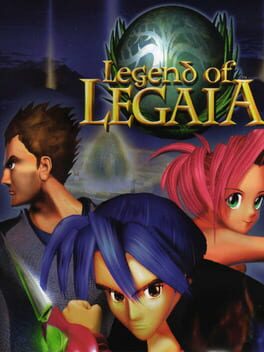 Legend of Legaia 1998
Why it still holds upPlayers who enjoy planning combos will find in it a game that holds their attention now.
 Dragon Warrior IV 1990
Also known as Dragon Quest IV
Why it still holds upFive chapters with different leads still let the story be told from several sides.
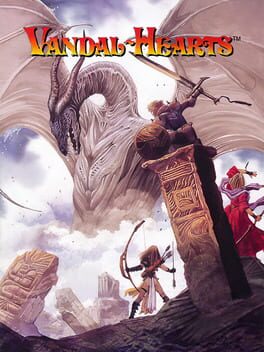 Vandal Hearts 1996
Why it still holds upLosing your leader means a defeat, so protecting him is still part of every plan.
 Valkyrie Profile 1999
Why it still holds upEach outing still has two rhythms, platforming through a dungeon and then switching to battle.
Parties, battles taken turn by turn and stories told mostly through text: much of this page runs on reading and deciding. They ask for hours, and the ones here repay them with worlds worth getting to know.
Starter pack: ten of these, and why each one still plays today